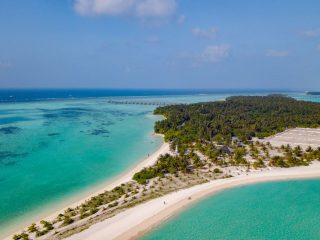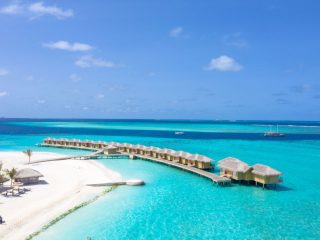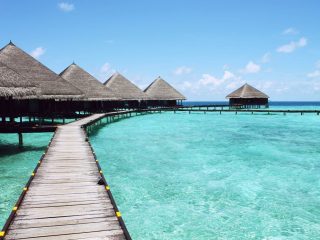
Planning a trip to the Maldives is all about turning your dream of sun-soaked beaches and crystal-clear waters into reality. From picking the perfect atoll to choosing between a luxurious overwater villa or a cosy beachfront stay, a little planning goes a long way.
Choosing the Right Seasons
The Maldives enjoys a warm, tropical climate, sitting right on the equator. The islands experience two main seasons: dry and wet. From November to April, you can expect plenty of sunshine and very little rain—making this the peak tourist season. Resorts fill up quickly, and flights tend to be pricier during these months. The wet season runs from May to October, bringing occasional showers and heavier rainfall. However, this period has its advantages: travel costs are lower, resorts often offer attractive deals, and the islands are less crowded.
Choosing the Right Accommodation
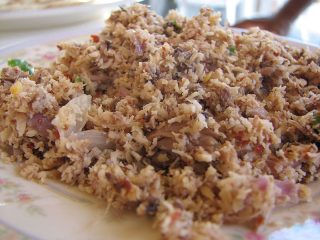
The Maldives is made up of over 1,000 islands, with around 185 inhabited by locals and the rest used for tourism, agriculture, or left untouched. Accommodation in the Maldives is unique—most islands host just one resort, which means your choice of property will shape your entire stay. With more than 100 world-class resorts to choose from, it’s worth picking carefully! Consider Huvafen Fushi Maldives, if you’d like to dine at some of the best restaurants in Maldives!
Packing the Right Clothing
Since most of your time in the Maldives will be spent on or near the water, lightweight and breathable clothing is ideal. For men, think shorts, linen trousers, and T-shirts; for women, sundresses, kaftans, crop tops, and shorts work well. Bring multiple swimsuits and cover-ups for quick changes between activities. Evenings often call for a slightly dressier look at resort restaurants. While no formal gowns or tuxedos are needed, smart-casual attire is recommended.
About Currency
The Maldives uses the Maldivian Rufiyaa (MVR) as its official currency. Currency exchange is available at the airport, but if you’re staying on an all-inclusive package, you’ll likely have little need for local cash, so buying large amounts is usually unnecessary. The Rufiyaa is non-convertible outside the Maldives.