Few destinations have undergone a transformation as remarkable as the Maldives. Once considered unsuitable for tourism, the island nation has evolved into one of the world’s most sought-after luxury escapes. Formerly isolated and underdeveloped, with limited infrastructure such as electricity, freshwater, and a proper airport, these islands have now become a world-renowned destination associated with luxury, privacy, and tropical indulgence.
Humble Beginnings Against the Odds
The foundations of Maldivian tourism were laid in 1972 when Hon. Mohamed Umer Maniku and a group of pioneering entrepreneurs chose to pursue tourism despite a United Nations assessment that deemed the idea unfeasible. The UN mission cited the country’s lack of freshwater resources, electricity supply, and adequate airport facilities as the main obstacles. Nevertheless, their determination reshaped the future of the nation. Today, properties such as Naladhu Private Island Maldives reflect the extraordinary progress of the industry, which has grown from just two modest resorts with about 280 beds into a thriving hospitality sector comprising more than 150 properties across the atolls.
Opening Doors to Local Communities
A significant turning point came in 2009 when regulations were revised to allow visitors to stay on inhabited local islands for the first time, rather than being limited exclusively to private resort islands. This shift created new economic opportunities for local communities and introduced travellers to a more authentic side of the Maldives. Islands such as Maafushi in Kaafu Atoll quickly emerged as popular guesthouse destinations, offering an alternative to the traditional Maldives luxury hotel experience.
The ‘One Island, One Resort’ Concept
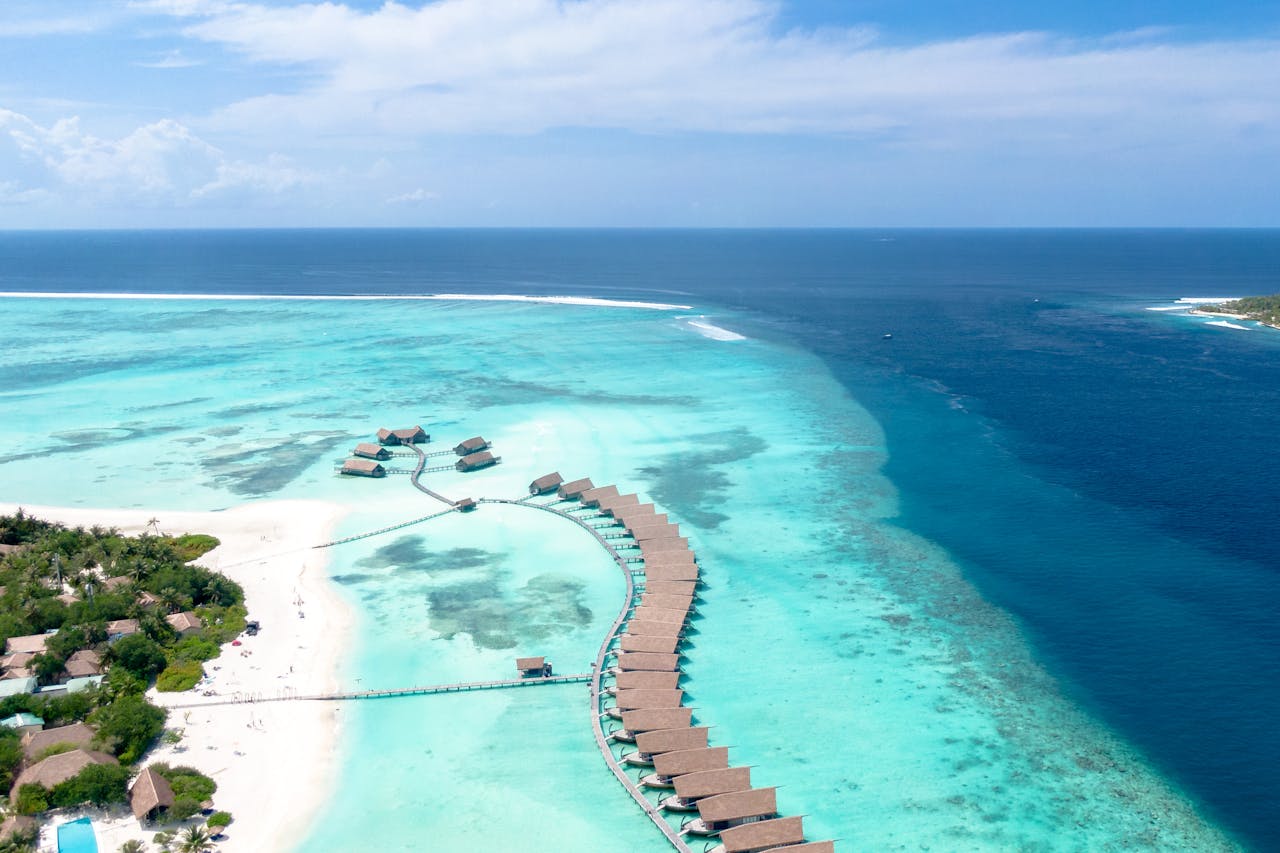
The Maldives further distinguished itself through its iconic ‘One Island, One Resort’ concept, a model that has become central to the destination’s global appeal. Each resort functions as an entirely self-contained private retreat, delivering an unparalleled sense of exclusivity and seclusion. The model also proved especially resilient during global health crises, as travellers viewed the isolated island setting as a more secure holiday environment.
A Booming Future
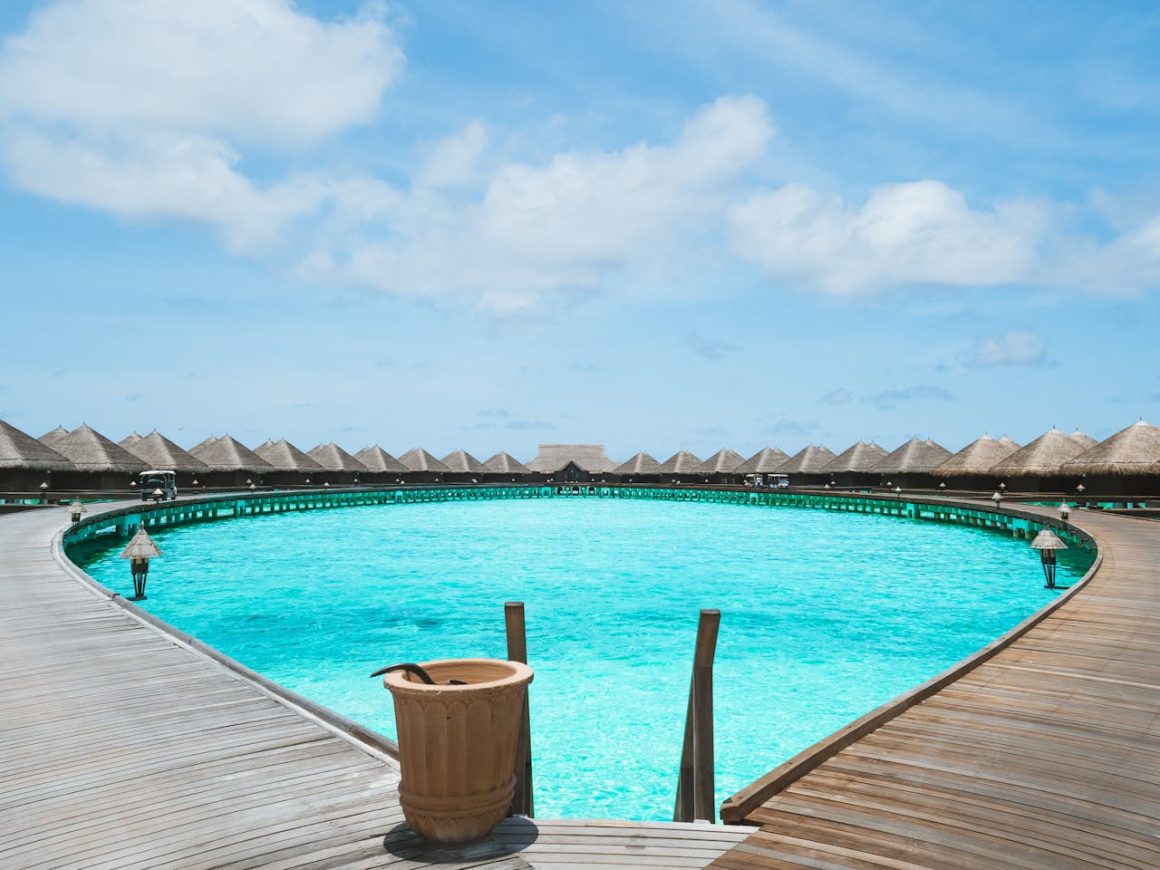
Tourism growth in the Maldives has been extraordinary, with visitor arrivals increasing from just 1,097 in 1972 to more than one million by 2013. Looking ahead, the government has set an ambitious target of attracting 3.5 to 4 million visitors annually by 2028. To support this expansion, nearly 100 additional island resorts are being developed, each expected to feature between 100 and 200 rooms.