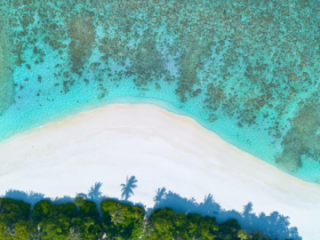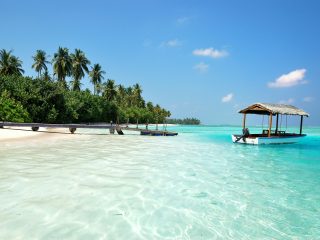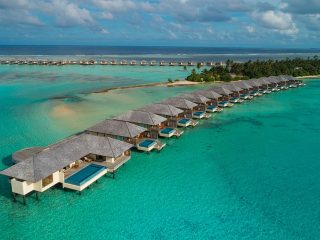
The Maldives stands at a critical juncture, balancing its fragile marine ecology with the demands of luxury travel. As climate change threatens low-lying island nations, transforming the archipelago into a global blueprint for sustainability remains essential.
Investing in Renewable Energy Infrastructure
Transitioning from diesel generators to solar-integrated microgrids is the primary step for resorts. By capturing abundant tropical sunlight, properties drastically reduce carbon footprints. This shift signals a commitment to long-term environmental stewardship rather than short-term operational convenience.
Advancing Marine Conservation Protocols
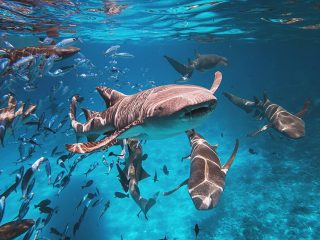
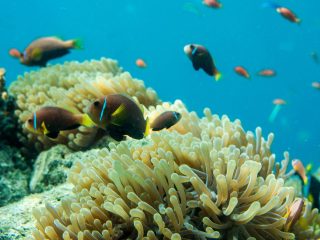
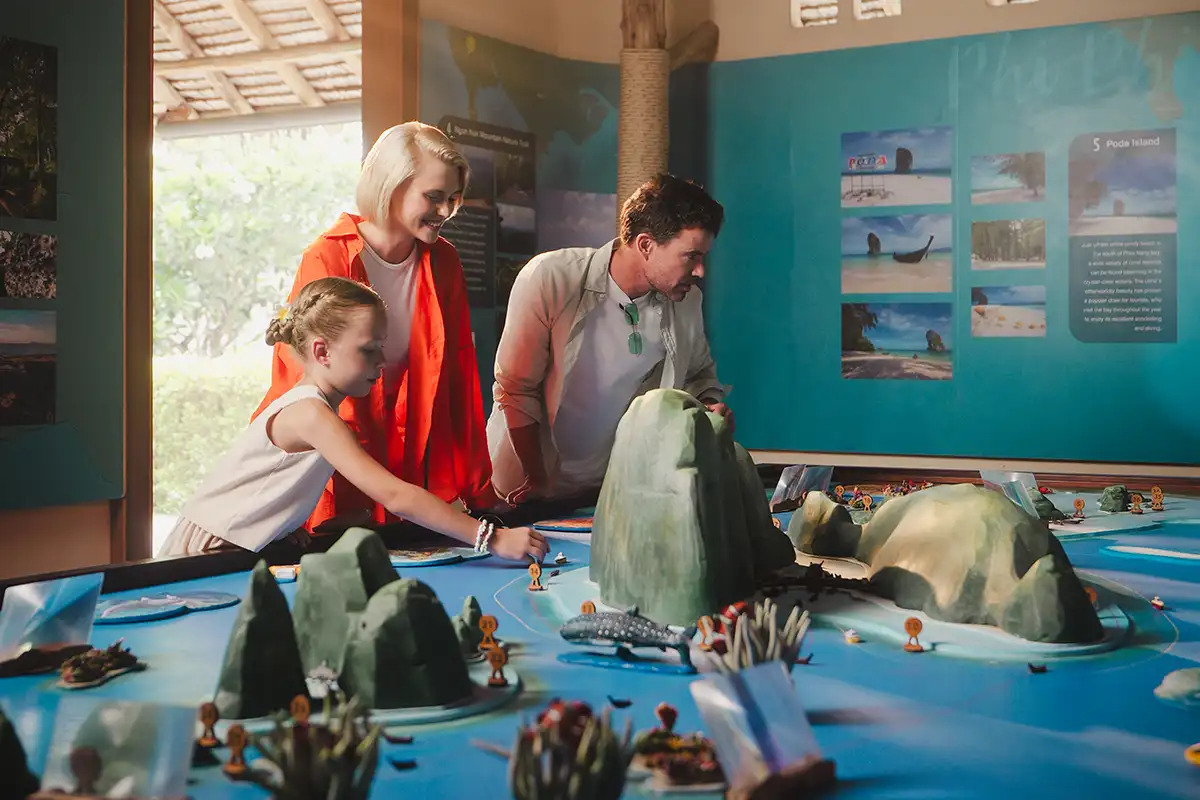
Resorts are now prioritising coral propagation and seagrass protection. Strategic partnerships with marine biologists allow guests to participate in restoration efforts, turning vacation time into active conservation. This model of eco tourism in Maldives fosters a deeper connection between the traveller and the ocean.

Implementing Circular Waste Management
Modern hospitality mandates aggressive waste reduction. Properties like SAii Hotels & Resorts demonstrate how sophisticated composting systems and desalination plants effectively minimise plastic pollution. These circular approaches ensure that luxury development does not compromise the pristine quality of the surrounding lagoons.
Empowering Local Communities
True sustainability requires community integration. By sourcing produce from local islands and providing vocational training for Maldivian citizens, the tourism sector creates a resilient economic cycle. This strategy ensures the benefits of international visitors extend far beyond hotel borders, securing a prosperous future for the entire nation.