
How to Plan a Maldives Snorkelling Holiday Around Reef Access, Marine Life and Island Location
The Maldives is a dream destination for snorkelling enthusiasts, offering crystal-clear waters, vibrant coral reefs and extraordinary marine biodiversity. From colourful reef fish and graceful sea turtles to manta rays and whale sharks, its underwater world promises unforgettable encounters.
However, planning the perfect snorkelling holiday involves more than choosing a beautiful island. Reef accessibility, marine life, seasonal conditions and island location all influence the experience. Understanding these factors helps travellers select a destination that matches their interests, swimming abilities and expectations.
Prioritise Easy Access to House Reefs
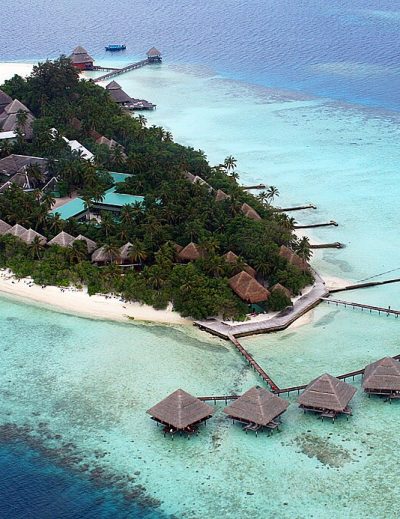
A house reef is one of the most important considerations when planning a Maldives snorkelling holiday. Unlike offshore reefs requiring boat excursions, house reefs allow travellers to explore marine ecosystems directly from designated beach or jetty access points.
When researching which Maldives resorts have the best house reef for snorkelling, consider the distance between the shoreline and reef, coral health, underwater visibility and accessibility.
Some islands feature shallow lagoons suitable for beginners, while others offer dramatic reef drop-offs that attract diverse marine species. Choosing accommodation with convenient reef access allows for spontaneous snorkelling sessions throughout the day.
Choose Locations Based on Marine Life Encounters
Different Maldivian atolls offer distinctive underwater experiences, making location particularly important for wildlife enthusiasts.
South Ari Atoll is renowned for year-round whale shark sightings, while Baa Atoll attracts seasonal gatherings of manta rays, particularly around Hanifaru Bay.
Travellers interested in reef sharks, parrotfish, butterflyfish and sea turtles can explore numerous coral-rich reef systems throughout the archipelago.
Since marine life sightings depend on natural conditions, researching regional biodiversity and seasonal migration patterns helps establish realistic expectations. Guided excursions with knowledgeable marine specialists can also improve opportunities for responsible wildlife encounters.
Consider Island Location and Transfer Convenience
Island location influences both travel convenience and access to snorkelling excursions. Some Maldivian islands are easily reached by speedboat from Velana International Airport, while more remote destinations require seaplane or domestic flight transfers.
For travellers seeking convenient access to South Malé Atoll, places like RAH GILI Maldives are worth considering as they offer an island setting that’s a shorter transfer from the international airport by speedboat.
When comparing locations, consider the availability of nearby snorkelling sites, organised marine excursions and transfer arrangements. Islands positioned near established reef systems may provide greater flexibility for exploring different underwater environments without lengthy journeys.
Plan Around Seasonal Weather and Ocean Conditions
Although snorkelling is possible throughout the year, seasonal weather patterns influence underwater visibility and sea conditions.
The northeast monsoon, generally occurring between December and April, often brings calmer seas and clearer visibility across many areas.
Meanwhile, the southwest monsoon, typically extending from May to November, introduces plankton-rich waters that attract larger marine species, including manta rays in certain atolls.
Travellers should also consider tides, currents and daily weather forecasts when scheduling excursions. Consulting local marine guides ensures snorkelling activities are planned around suitable conditions rather than seasonal assumptions alone.
Balance Snorkelling Adventures with Safety and Sustainability
An enjoyable snorkelling holiday should combine underwater exploration with responsible marine tourism.
Beginners can benefit from guided introductions, properly fitted equipment and sheltered swimming areas. More experienced snorkellers may prefer excursions exploring deeper reef edges and diverse coral formations.
Maintaining a respectful distance from marine animals, avoiding contact with coral and following designated swimming routes help protect fragile ecosystems.
Travellers should also enquire about conservation initiatives, marine education programmes and guided experiences that encourage environmental awareness. Responsible snorkelling practices help preserve the Maldives’ remarkable underwater biodiversity for future generations.
Conclusion
Planning a memorable Maldives snorkelling holiday requires balancing reef accessibility, marine biodiversity, island location and seasonal conditions. Whether exploring colourful house reefs or joining guided excursions to encounter larger marine species, thoughtful preparation makes every underwater adventure more rewarding. By choosing suitable locations and practising responsible snorkelling, travellers can experience the Maldives’ extraordinary marine environment while contributing to its long-term preservation