
Why Dolphin-Rich Atolls Are Becoming a Major Draw for Maldives Resort Travellers
The Maldives has long attracted travellers with its turquoise lagoons, white-sand beaches, and luxurious overwater villas. However, beyond these familiar attractions, a growing interest in marine wildlife is influencing how visitors choose their island escapes. Dolphin-rich atolls, where these fascinating marine mammals can be observed in their natural environment, are becoming particularly appealing. From sunset dolphin cruises to guided marine excursions, travellers are increasingly seeking experiences that bring them closer to the ocean. This growing appreciation for wildlife encounters is adding another dimension to the Maldives’ reputation as a world-class luxury destination.
The Thrill of Seeing Dolphins in Their Natural Habitat
Watching dolphins swimming freely in the Indian Ocean offers an experience that traditional resort activities cannot easily replicate. Spinner dolphins, particularly admired for their energetic leaps and acrobatic movements, are among the Maldives’ most captivating marine inhabitants.
Unlike controlled wildlife attractions, encounters in natural habitats are spontaneous, making every sighting unique. Travellers may witness dolphins travelling in pods, surfacing alongside boats, or leaping above the waves. This unpredictability adds excitement and creates lasting holiday memories, especially for families and nature enthusiasts.
Dolphin-Watching Cruises Add Adventure to Luxury Holidays
“The Sunset Dolphin Cruise aboard a dhoni, a traditional Maldivian fishing boat, is magical, enhanced by soft pink sunset hues and the odd puffy, popcorn-shaped cumulus cloud reflecting in the glass-like sea, topped only by the prompt arrival of a large pod of spinner dolphins” — Karin Mueller, Condé Nast Traveller.
Dolphin-watching excursions have become an appealing addition to the traditional Maldivian holiday. Rather than spending an entire vacation relaxing beside a private pool, visitors can venture into surrounding waters to experience the islands’ extraordinary marine environment.
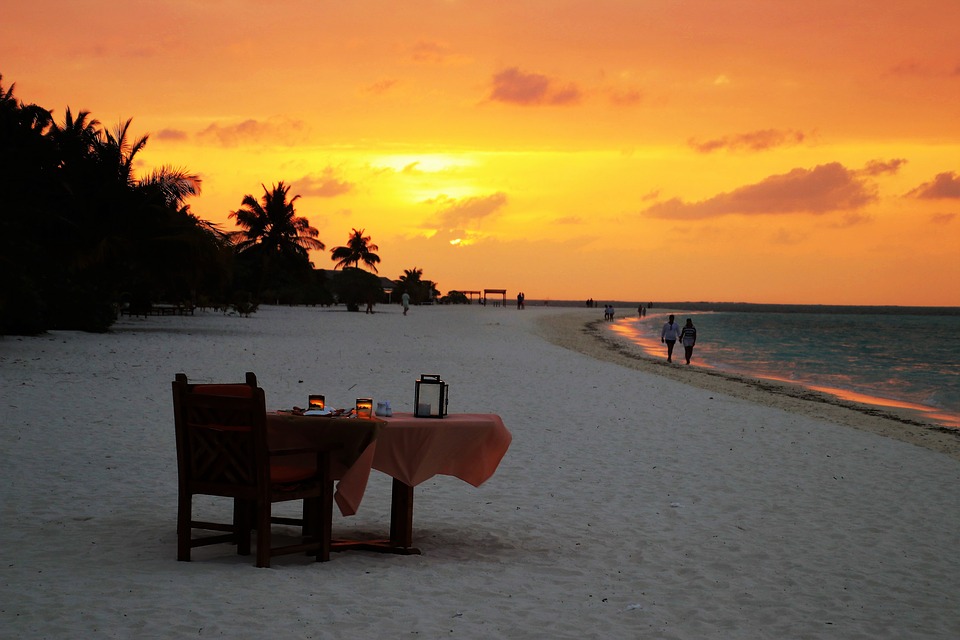
Sunset cruises are especially popular because they combine wildlife observation with spectacular ocean scenery. As the evening sky changes colour, guests may encounter dolphins swimming through the open water.
Guided excursions also allow travellers to learn about dolphin behaviour, movement patterns, and the importance of maintaining respectful distances. These experiences appeal to couples seeking memorable moments and families interested in educational adventures.
Proximity to Dolphin Habitats Influences Resort Selection
“One of the largest, deepest atolls in the world, Gaafu Alifu in the southern Maldives brims with dolphins, sea turtles, reef sharks, rays and mantas.” — Lee Cobaj, National Geographic Traveller.
Location is becoming an important consideration for travellers planning marine-focused holidays. Rather than selecting accommodation based exclusively on villa design or dining experiences, visitors are exploring Maldives resorts near natural dolphin habitats.
Certain atolls provide opportunities to observe dolphins in surrounding waters, making them attractive destinations for wildlife enthusiasts.
For instance, RAH GILI Maldives, located in South Malé Atoll, sits beside a protected dolphin sanctuary where spinner dolphins gather. Guests can participate in guided dolphin encounters led by marine guides, providing opportunities to appreciate these animals in their natural surroundings.
Such locations demonstrate how access to marine habitats can complement the comfort and privacy associated with luxury island holidays.
Marine Conservation Is Becoming Part of the Travel Experience
“Tourism, done right, can help save the Maldives from a watery end.” — Costas Christ, National Geographic Traveller.
Environmental awareness is increasingly shaping travel experiences in the Maldives. Visitors interested in dolphin encounters are also becoming more conscious of how tourism activities affect marine ecosystems.
Responsible dolphin watching involves avoiding unnecessary disturbance, maintaining appropriate distances, and allowing animals to follow their natural behaviour without interference.
Marine education programmes and conservation-focused excursions can help travellers understand the relationship between healthy ocean habitats and thriving wildlife populations.
By choosing responsible experiences, visitors can enjoy meaningful encounters while supporting a tourism culture that values marine protection.
Dolphin Encounters Create Meaningful Travel Memories
“The Maldives’ real treasures await beyond the reef, in the deeper shades of blue.” — Jamie Ditaranto, Lonely Planet.
Luxury travel is increasingly associated with memorable experiences rather than accommodation alone. Dolphin encounters reflect this preference by offering moments of discovery that connect travellers with the natural environment.
For children, seeing wild dolphins can inspire curiosity about marine life. Couples may appreciate the romance of watching dolphins during a sunset cruise, while photography enthusiasts can enjoy opportunities to capture extraordinary wildlife moments.
These experiences encourage visitors to explore beyond their villas and appreciate the Maldives as a living marine ecosystem rather than simply a picturesque beach destination.
Conclusion
Dolphin-rich atolls are adding a compelling new dimension to luxury holidays in the Maldives. Their combination of natural beauty, wildlife encounters, and marine-focused activities appeals to travellers seeking experiences beyond conventional island relaxation. As interest in responsible wildlife tourism continues to develop, destinations offering opportunities to observe dolphins in their natural habitats are well positioned to attract visitors who value adventure, meaningful connections, and unforgettable ocean experiences.