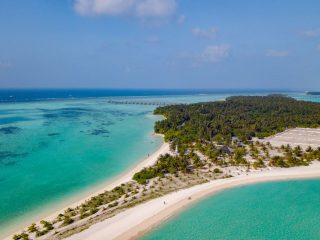
The islands that make up Maldives are scattered across the Laccadive Sea, not too far away from India and Sri Lanka. The close proximity to these countries explains how they have influenced Maldivian culture in many subtle and not so subtle ways. Those familiar with Indian or Sri Lankan culture cannot help but see parallels in Maldivian customs and traditions. This makes sense as some of the early settlers of Maldives migrated from India and Sri Lanka, bringing along their beliefs and practices with them. Maldives, during its formative years, was also heavily influenced by Arab merchants who settled here.
Despite being a mishmash of foreign practices, Maldivian culture manages to be unique. It is primarily an Islamic country, and things like alcohol and pork are not freely available. The populace as a whole is somewhat conservative although the laws are not as strict as those found in some Arab nations. Islamic festivals such as Ramadan are celebrated with plenty of enthusiasm. Islam has also strongly influenced the local arts and crafts, with many handicrafts being decorated with intricate Arab scripts taken from the Quran.
The island’s music and dances though show a strong African and Indian influence. Traditional music and dance performances are fairly common and one should try to catch a show or two. Boduberra, thaara, and gaa di lava are probably the most well-known types of indigenous music. Sampling the local cuisine is probably the most enjoyable aspect of immersing oneself in the local culture. The local dishes tend to be on the spicy side. As can be expected of a nation with a massive fishing industry, most dishes use fish.
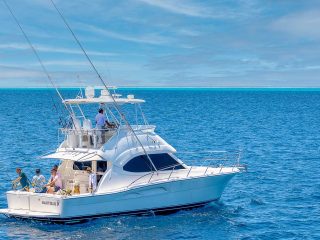
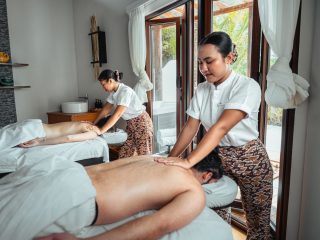
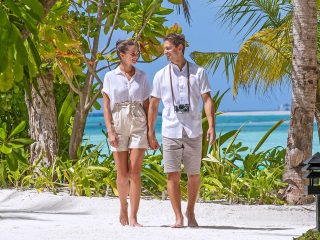
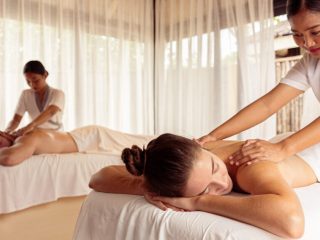
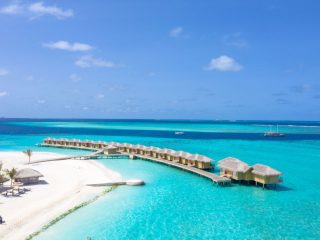
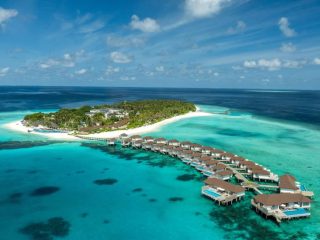
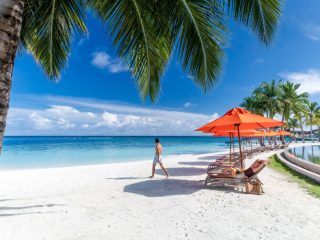
 Amazing beaches, excellent infrastructure, and friendly locals makes Maldives one of the best vacation spots on the planet. The beautiful surroundings and the slow pace of island life make it a terrific spot to rest and relax. Tourists looking for good Maldives spa resorts can try the Anantara Kihavah Maldives Villas. It is one of the best Maldives resorts around. Not only does it have an excellent spa, the resort also has exceptional lodgings, underwater dining, and facilities for a number of water sports.
Thanuja Silva is a travel writer who writes under the pen name Auburn Silver. She has a passion for fashion and a deep interest in admiring new and exotic attractions around the world. Google+