Maldivian food reflects its surroundings. Since there isn’t much land for farming but plenty of seafood, meals are simple and practical, fitting into everyday life. Of course, for travellers, trying the local food is a way to get to know the islands beyond the beaches.
Why Simple Food Leaves a Strong Impression
Maldivian food stands out not because it’s “complicated”, but because of the setting and fresh flavours. Sharing simple, everyday island dishes at a relaxed pace helps create memories that last longer than any fancy meal.
The Island Staple to Begin the Day
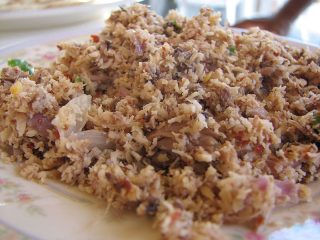
Mas huni is a staple breakfast dish in the Maldives. It’s made with tuna, coconut, onion, and chilli, and usually comes with roshi, a soft flatbread like chapati. The flavours are gentle but unique, and it’s often the first (and definitely not the last!) local food visitors try.
Curries Built Around Fresh Catch
Fish curries are a key part of Maldivian meals. Tuna, reef fish, and sometimes octopus are cooked with coconut milk and mild, aromatic spices. These dishes are more about home-style comfort and focus on nourishment and balance.
Rice and Everyday Comfort Food
Rice is at the heart of everyday meals in the Maldives. It’s served with curries, sambols, and relishes, and people usually share these dishes. This type of family-style dining in Maldives is a big part of local tradition, which can be enjoyed at private resorts that offer other types of cuisines as well.
Modern Dining Without Losing Identity
Resort chefs often put their own spin on local dishes while also serving international food. At properties like OBLU SELECT Sangeli, Maldivian (and other global) dishes are often served in ways that make sharing easy, so guests can try several culinary creations instead of picking only one. Pro tip: Foodies should definitely choose an all-inclusive plan to enjoy diverse dining options, unlimited beverages, activities and more.
Street Snacks with Local Roots

Snacks like bajiya and gulha are favourites all over the islands. These fried treats, filled with fish or vegetables, are usually enjoyed in the afternoon or early evening. They’re a tasty way to sample local flavours without having a full meal.