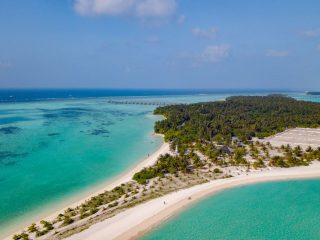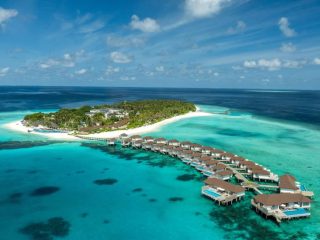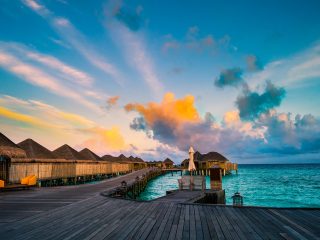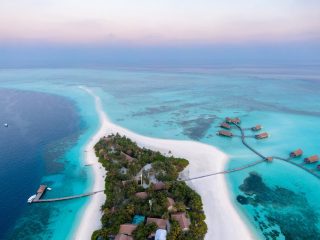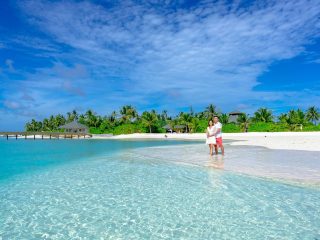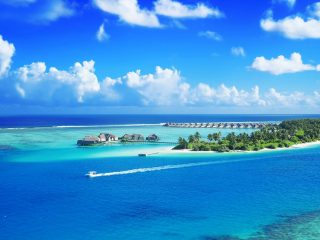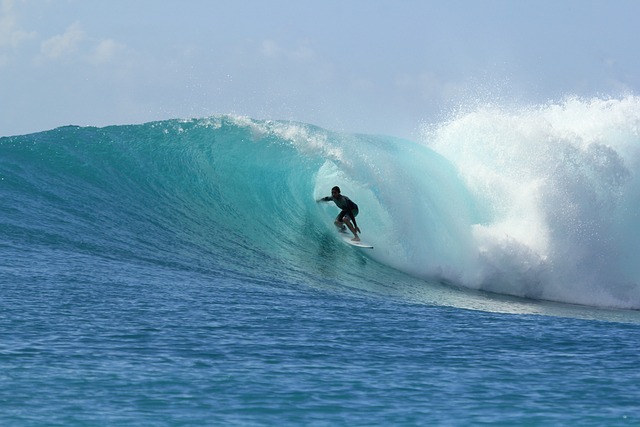
The Maldives, a tropical paradise known for its crystal-clear waters, vibrant coral reefs, and luxurious overwater bungalows, also offers a thrilling and often overlooked experience: surfing. This chain of islands in the Indian Ocean is a hidden gem for surfers, offering some of the most pristine and uncrowded waves in the world. With consistent swells, warm waters, and stunning backdrops, the Maldives is quickly becoming a sought-after destination for surfers of all levels. Here’s what you need to know about surfing in this idyllic archipelago.
Ideal Surfing Conditions
The Maldives boasts ideal surfing conditions, particularly from March to October, when the southwest monsoon brings consistent swells from the Indian Ocean. During this period, the waves range from three to eight feet, providing a variety of options for both beginners and experienced surfers. The warm, tropical climate means that you can leave your wetsuit at home, and the water remains invitingly warm throughout the year. The Maldives is divided into three main surfing regions: the North and South Male Atolls, the Central Atolls, and the Southern Atolls. Each region offers a unique surfing experience, with different types of breaks, wave sizes, and levels of difficulty.
Surfing in the North and South Male Atolls
The North and South Male Atolls are the most popular surfing regions in the Maldives, known for their accessibility and consistent waves. In the North Male Atoll, spots like Cokes, Sultans, and Honky’s offer world-class waves that attract surfers from around the globe. Cokes, in particular, is famous for its powerful right-hand barrel, making it a favourite among experienced surfers. The South Male Atoll, slightly less crowded, offers excellent waves at spots like Foxy’s and Riptides, which are perfect for intermediate surfers looking to enjoy clean, long rides. The proximity of these spots to the capital, Malé, and the international airport makes them easy to reach, adding to their popularity.
Exploring the Central and Southern Atolls
For surfers looking to escape the crowds and explore more remote waves, the Central and Southern Atolls offer an adventurous alternative. The Central Atolls, including Meemu, Thaa, and Laamu, are less frequented, providing a more tranquil and secluded surfing experience. These atolls are known for their consistent waves, with breaks like Ying Yang in the Meemu Atoll offering thrilling rides. The Southern Atolls, particularly Huvadhoo and Addu, are the least explored surfing regions in the Maldives. These atolls offer some of the most powerful and uncrowded waves, with long, peeling breaks that challenge even the most seasoned surfers. The remoteness of these atolls adds an element of adventure, as they are often only accessible by boat, providing a true sense of exploration.
Surf Resorts and Boat Charters
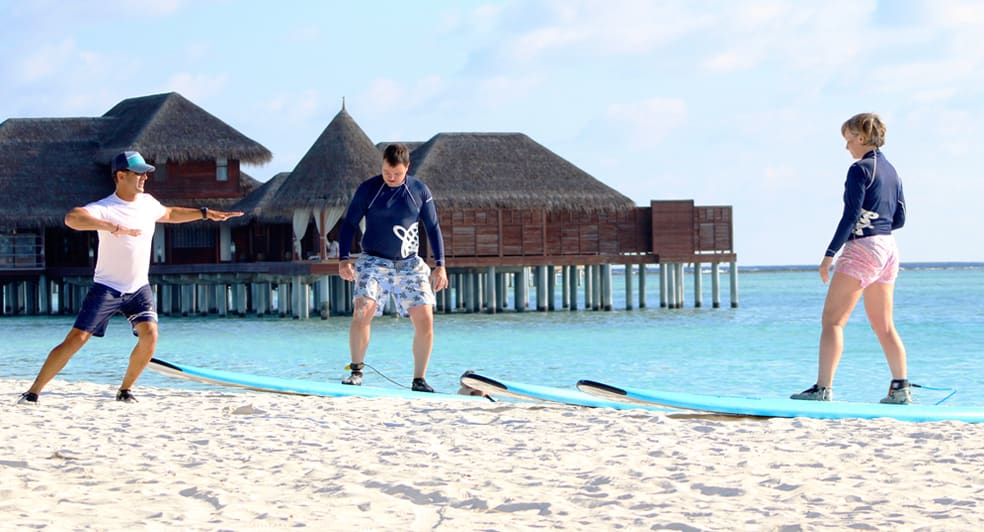
The Maldives is home to several surf resorts that cater specifically to surfers, offering easy access to some of the best breaks, surf guides, and all-inclusive packages. Resorts like Anantara Veli Maldives Resort are popular among surfers, providing luxurious accommodations, top-notch facilities, and direct access to world-class waves. For those seeking a more personalized and flexible surf hotel in Maldives, boat charters are a popular option. Surf charters allow you to explore multiple atolls and surf spots, often including remote and secret breaks that are only accessible by sea. These charters provide the ultimate surfing adventure, combining the thrill of the waves with the freedom to explore the Maldives at your own pace.
Responsible Surfing and Preservation
As surfing in the Maldives grows in popularity, it’s essential to practice responsible surfing to preserve the natural beauty and delicate ecosystems of the islands. Surfers are encouraged to respect local customs, minimize their environmental impact, and support sustainable tourism practices. Many surf resorts and charters are committed to conservation efforts, such as coral reef protection and waste reduction, ensuring that the Maldives remains a pristine destination for future generations of surfers. By choosing eco-friendly operators and following responsible surfing practices, surfers can help protect the very waves they come to enjoy.