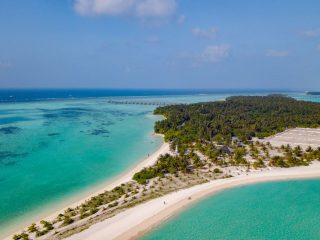
The Maldives might sound like a luxury dream, but it’s actually a lot more accessible than most people think. You don’t need to spend a fortune to enjoy those turquoise waters and white sandy shores. With a bit of planning and an open mind, it’s totally possible to have an amazing time here without blowing your budget. It’s all about knowing where to look and being up for a little adventure.
Taking the seasons into consideration
The Maldives has two main seasons: the dry season and the wet season, and knowing the difference can help if you’re trying to travel on a budget. The dry season, from December to April, brings the best weather—clear skies and calm seas—but it also comes with higher prices. On the other hand, the wet season, running from May to November, sees fewer crowds and more rain, though temperatures stay warm and there are still plenty of sunny spells.
Looking at the months of the year
The months just before and after the peak wet season are known as the shoulder period, and they can offer a nice balance of decent weather and lower prices. You might get some rain, but there’s usually plenty of sunshine too. From June to October, the wet season is in full swing, bringing more frequent showers and the occasional storm—but the rain often comes and goes quickly. This stretch is the most affordable time to visit.
Look for the packages
Booking a package deal can be a smart way to save money, as it usually bundles flights, accommodation, and sometimes meals or activities at a lower overall cost than booking everything separately. To get the best value, check out travel agencies or online platforms that focus on a Maldives resort with a package or offer. Sometimes, a resort like the Anantara Dhigu might have exactly what you need.
A few final tips

No matter when you decide to visit the Maldives, having travel insurance is a must—it can save you a lot of hassle if something unexpected comes up, like a medical issue or a cancelled trip. If you’re planning on doing activities like snorkelling or diving, make sure your policy covers those too. It’s also a good idea to stay updated on the weather, especially during the wet season when conditions can change quickly.