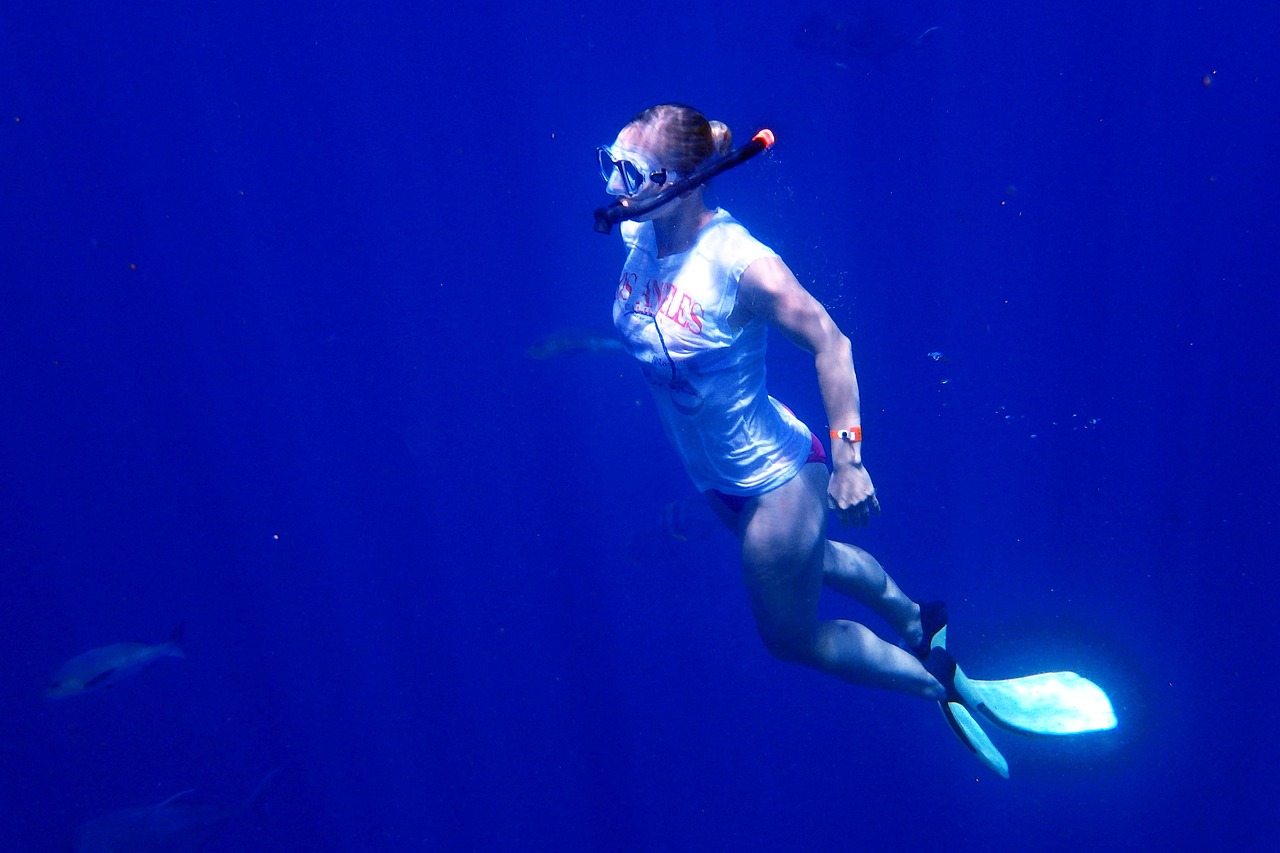
Diving in the Maldives is more than just a bucket-list checkmark—it’s a vivid journey through coral gardens, pelagic encounters, and aquatic wonder. With calm waters, rich biodiversity, and exceptional visibility, it’s no wonder divers from around the world flock here. Whether it’s your first dive or your hundredth, here’s what you should know before descending under.
Why the Maldives is a big deal for divers
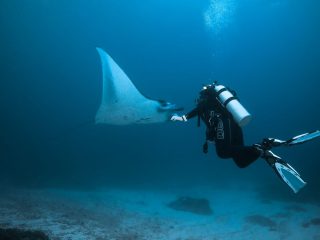
The Maldives sits on the edge of deep Indian Ocean channels, creating upwellings of plankton and attracting majestic ocean life. Currents funnel big species—like mantas, whale sharks, and reef sharks—along reef drop-offs. Many dive operators coordinate with tide and moon cycles to bring you to hotspots. The sheer diversity, from macro critters in lagoons to giants on the reef edge, makes this archipelago a diver’s dream.
Best time to dive in the Maldives
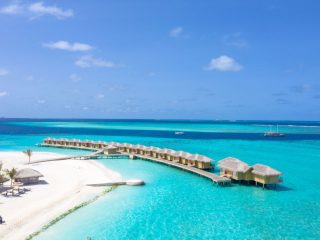
Visibility and species encounters depend on the season. The dry northeast monsoon (December to April) often gives calm seas and clear water—great for reef diving and snorkelling in the house reef just steps away from your Maldives villas. The southwest or wet season (May to November) tends to stir things up, bringing plankton blooms that draw large filter feeders like manta rays and whale sharks. Plan your dive trip based on what marine life you most want to see.
What you’ll see underwater
Expect kaleidoscopic corals, reef fish, anemones, nudibranchs, triggers, and butterflyfish. Venture deeper, and pelagic wonders await: manta rays sweeping through cleaning stations, passing reef sharks, and even whale sharks on drift dives. No-limit dives might surprise you with eagle rays or barracudas. Also, keep an eye out for turtles gliding through channels or resting inside reef caves.
Equipment and conditions
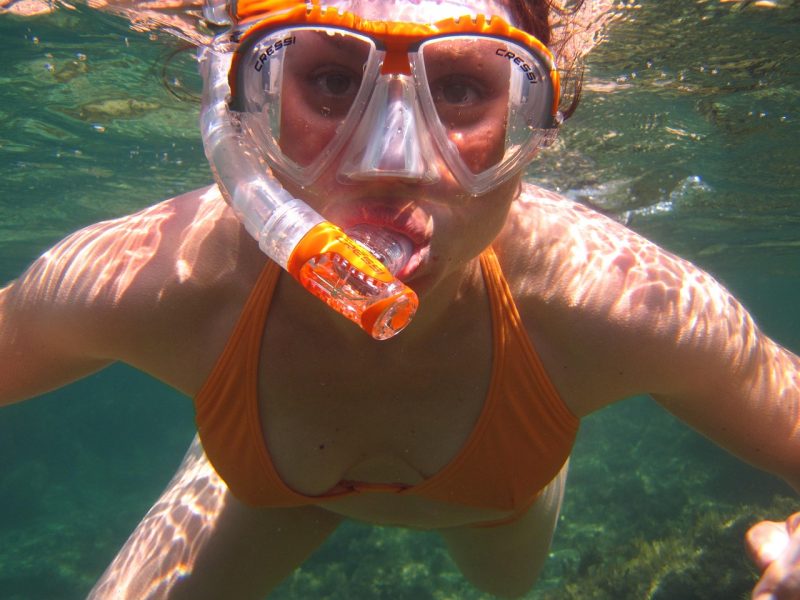
Maldives dive conditions are warm (27–30 °C) and usually gentle, but strong currents are not uncommon—especially at channels or passes. Most dive resorts like Kuramathi Maldives provide full rental kits, but bringing your own mask, snorkel, and boots ensures comfort. A 3-5 mm wetsuit is usually sufficient; a dive computer, torch, SMB, and reef-safe sunscreen are smart additions. Always follow guide briefings and current safety protocols to dive responsibly.