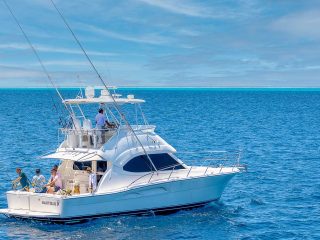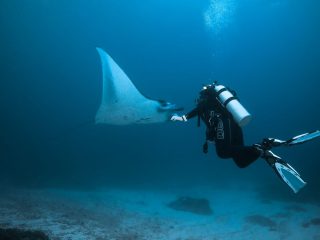
For thrilling adventures, scuba diving in Maldives is something you definitely need to try because of the stunning array of coral and marine life you can encounter. But before you grab your fins and jump in, here are some insider tips to make your escapades beneath the waves safe and absolutely unforgettable.
Select a Resort with a Dive Centre
First things first: pick the right base. Resorts such as Kurumba Maldives in areas like North Malé Atoll are prime for this activity, and what’s more, they have a reputable dive centre on-site. Look for licensed operators at such a centre with experienced instructors, proper certifications, and top-notch equipment (yes, nitrox included!). The best ones also run excursions to famous dive spots, so you will never miss out.
Choose a Suitable Course or Certification
If you are new to diving, don’t fret, the right dive centre will offer all the needed training and certification for you to go exploring underwater in Maldives. You can get an idea of what to expect with a Discover Scuba Diving session; alternatively, get fully certified with the PADI Open Water Diver Course (for dives up to 18 metres) in just a few days. Kids as young as eight can try the Bubblemaker course, while seasoned divers can upgrade with advanced and speciality certifications.
Consider When to Go
Technically, you can dive year-round here, but that said, some periods are better than others. The dry season (November to April) is prime time with sunshine galore, calm waters and superb visibility, especially from January onwards. That said, even outside this window, the underwater world here is spectacular. So, if you are tied to specific dates, don’t stress… the reefs and marine life are waiting either way!
Be a Responsible Diver
This one is equally important as the Maldives diving tips mentioned above. Remember that the reefs are alive and fragile, so avoid touching (or breaking) coral or chasing fish for that “perfect” photo. Ensure you use reef-safe sunscreen, and please, no littering (the ocean isn’t your bin!). Move slowly, be respectful of marine life, and remember, you are a guest in their home.