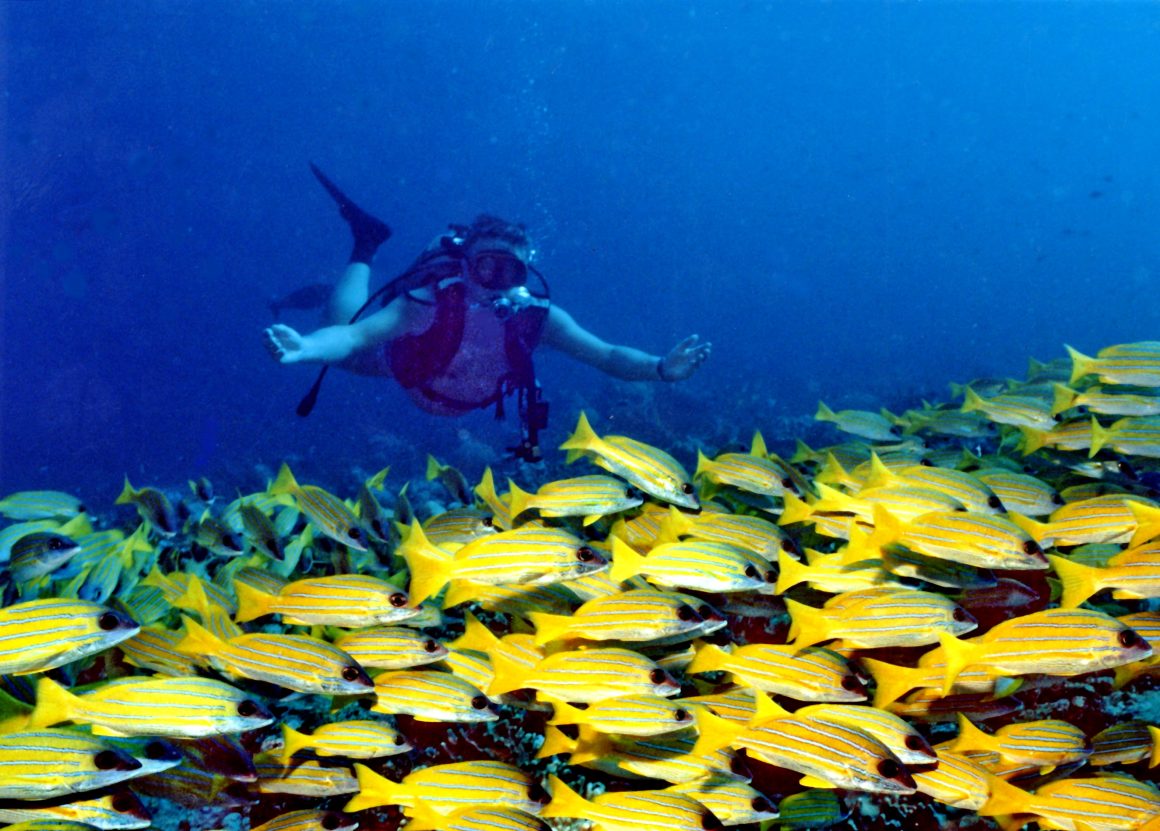
You only need to do an image search on Google or Bing on “marine life in Maldives” to see plenty of colourful reasons as to why you should definitely try diving here. But if you are new to this activity or have never tried it before, don’t worry, this guide has you covered!
Deciding Where to Stay
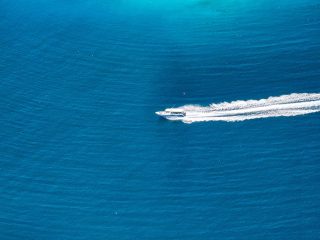
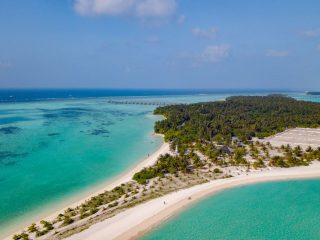
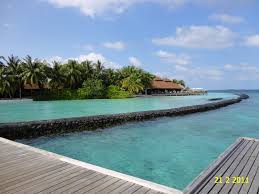
The first step is, of course, to find the ideal private island resort in a location that’s rich in marine biodiversity. A great option would be a property like Kurumba Maldives, which is a quick speedboat ride from the airport and capital, Malé. Such properties are in the North Malé Atoll, where you can see a stunning array of marine life and easily reach key dive sites; you additionally get access to an on-site dive centre catering to newbies and pros alike.
Choosing the Ideal Dive Centre
It’s also important to see what kind of dive centre you have access to at your resort to truly experience the wonders of going underwater in Maldives. It should ideally have PADI-certified instructors and offer the relevant courses, training and certification you need, as well as organise guided escapades out to sea.
This can range from a Bubblemaker course for kids to Discover Scuba Diving, which is ideal to get a general idea of what this activity entails. You can also look to get worldwide certification for diving, which takes several days; these include the popular PADI Open Water Diver and Enriched Air (Nitrox) Diver courses.
Knowing Where to Go
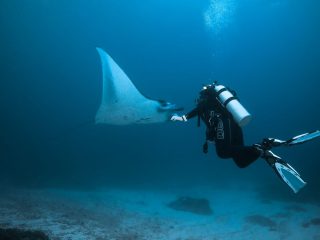
You will be spoilt for choice when it comes to the top dive sites in Maldives, especially in and around destinations like the North Malé Atoll. Some of the favourites include Banana Reef and Okobe Thila, which are both marine-protected areas. Don’t miss amazing manta ray encounters from May to November at Lankan Manta Point, while those with more experience can go on night dives to Chicken Island or explore the intriguing Maldives Victory Wreck.
Best Times for Diving
The Maldives offers year-round diving, while the average water temperature ranges from 26°C to 30°C, which is ideal. While there’s no real ‘bad time’ for this activity, the best conditions for diving in the Central Atolls are generally from November to April, when you can expect calmer seas and excellent visibility. However, in the more Northern Atolls, the prime period for this activity is usually from June to October.